Artistic Photography Inspiration: Creative Ideas to Transform Your Photography
- vitmir
- Feb 23
- 4 min read
Photography is more than just capturing moments - it’s about telling stories, evoking emotions, and creating art. Over the years, I’ve found that pushing the boundaries of traditional photography can breathe new life into my work. Whether you’re a couple looking to capture your special day, a photographer aiming to elevate your portfolio, or an event organiser wanting to make your occasions unforgettable, there’s always room to get creative. Today, I want to share some fresh, practical ideas that can transform your photography and inspire your next shoot.
Embrace Natural Light and Shadows for Dramatic Effects
One of the simplest yet most powerful tools in photography is natural light. Instead of relying heavily on artificial lighting, try to work with the sun’s position and the shadows it casts. Early mornings and late afternoons, often called the golden hours, offer soft, warm light that flatters almost any subject. But don’t stop there - experiment with shadows to add depth and mystery.
For example, shooting through leaves or blinds can create interesting patterns on your subject. Position your model or object so that the shadows fall in unexpected ways, highlighting textures or creating contrast. This technique works beautifully for couples’ portraits or event details, adding a layer of storytelling through light.
Use window light for indoor shoots.
Try backlighting to create silhouettes.
Capture long shadows during sunset for dramatic landscapes.

Artistic Photography Inspiration: Play with Perspectives and Angles
Changing your viewpoint can completely alter the mood and impact of your photos. Instead of shooting everything at eye level, get low, climb higher, or tilt your camera for dynamic compositions. This approach not only makes your images stand out but also invites viewers to see familiar scenes in new ways.
For instance, a low-angle shot of a couple walking hand in hand can make them appear larger than life, symbolising strength and unity. On the other hand, a high-angle view of an event setup can showcase the scale and details that might be missed otherwise.
Here are some tips to experiment with angles:
Close-up shots - Focus on details like hands, rings, or textures.
Wide-angle views - Capture the environment and context.
Tilted frames - Add energy and movement.
Overhead shots - Perfect for group photos or flat lays.
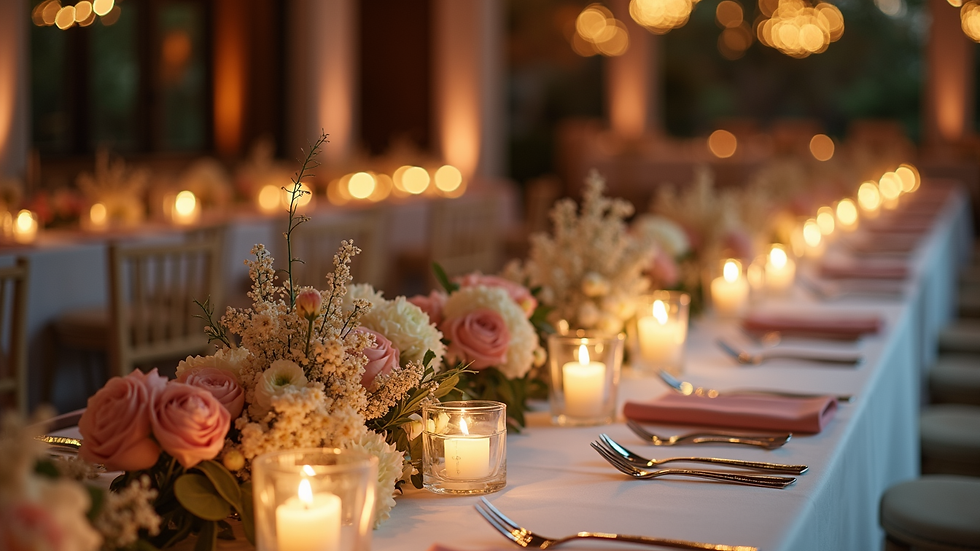
Use Creative Props and Backdrops to Tell a Story
Props and backdrops are fantastic tools to add personality and context to your photos. They can be as simple as a vintage chair, a colourful fabric, or even natural elements like flowers and leaves. The key is to choose items that complement your subject and enhance the story you want to tell.
For couples, props like handwritten letters, balloons, or personalised items can add intimacy and charm. Event organisers can use thematic decorations or branded elements to reinforce the event’s identity. Don’t be afraid to mix textures and colours to create visually rich scenes.
Some ideas to get started:
Use mirrors to create reflections and depth.
Incorporate smoke bombs or fairy lights for magical effects.
Experiment with coloured gels on your lights for mood changes.
Experiment with Long Exposure and Motion Blur
Long exposure photography is a creative technique that can add a sense of movement and time passing to your images. It’s perfect for capturing dynamic scenes like dancing couples, flowing water, or bustling events. By using slower shutter speeds, you can blur motion while keeping other elements sharp, creating a dreamy, artistic effect.
To try this, you’ll need a tripod to keep your camera steady and some patience to get the timing right. Start with shutter speeds around 1-2 seconds and adjust based on the movement speed. You can also combine this with light painting by moving a light source during the exposure.
Here’s how to approach it:
Use long exposure for night events to capture light trails.
Capture spinning dancers or moving crowds with motion blur.
Combine with flash to freeze part of the scene while blurring the rest.
Post-Processing: Enhance Your Vision Without Overdoing It
Editing is where your photos truly come to life. While it’s tempting to go heavy on filters and effects, subtlety often wins. Use post-processing to enhance colours, correct exposure, and sharpen details, but keep the natural feel intact.
I like to experiment with black and white conversions, selective colour pops, and creative cropping to focus attention. Tools like Adobe Lightroom and Photoshop offer endless possibilities, but even free apps can help you achieve professional results.
Some editing tips:
Adjust white balance to set the mood.
Use vignette to draw the eye to the subject.
Remove distractions with cloning or healing tools.
By combining these techniques with your shooting skills, you can create images that truly stand out.
Photography is a journey of constant learning and experimentation. By embracing new ideas and techniques, you can transform your work and tell stories that resonate deeply. If you’re looking for more inspiration, check out this collection of creative photography ideas that can spark your imagination and help you push your craft further.
Remember, the best photos come from passion and a willingness to try something different. So grab your camera, explore your surroundings, and let your creativity flow!
Happy shooting!


Comments